p53 · Transposons · Development
Finding the ancestral logic of p53 tumor suppression
We use developmental and comparative models to discover how p53 restrains mobile elements and produces opposing transcriptional outcomes across tissues.
Our research
An ancient gene.
New tumor biology.
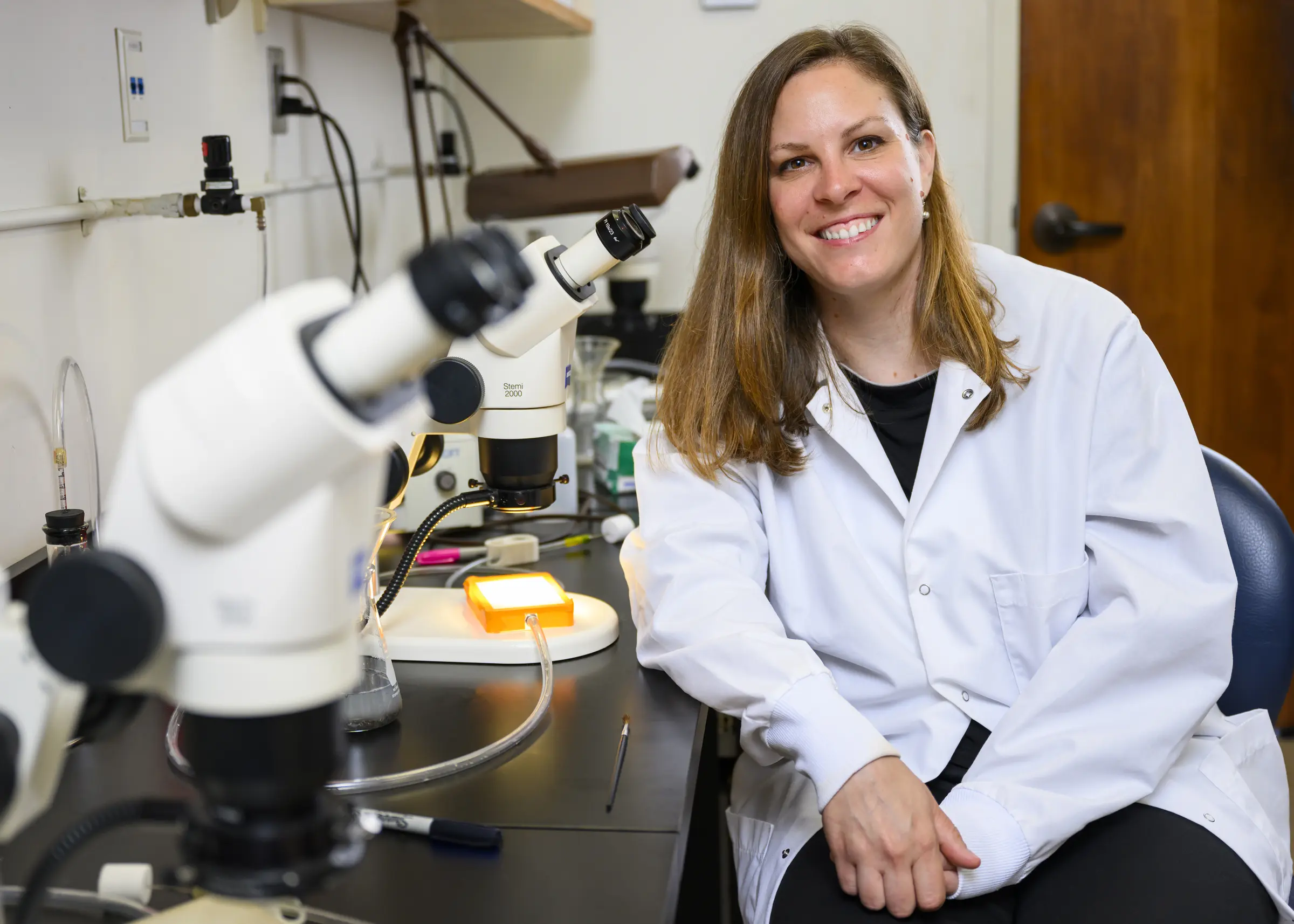
p53 genes evolved long before cancer became a major selective pressure. The Wylie Lab uses this evolutionary perspective to uncover conserved functions that may explain how p53 protects genomes and prevents tumors. By combining Drosophila genetics with vertebrate and human cancer models, the group studies transposon control, direct transcriptional repression, isoform-specific functions and the developmental context of p53 action.
Read about our research programmes →Research programmes
What we study
p53 and transposon suppression
We investigate how p53 restrains retrotransposons—mobile genetic elements that threaten genome stability and are deregulated in disease.
Learn more →02Opposing transcriptional outcomes
We study how p53 can directly activate or repress genes through the same canonical response elements in different tissues and developmental states.
Learn more →03Isoform-specific p53 biology
We define how distinct p53 protein isoforms divide transactivation, transrepression and germline functions.
Learn more →04Developmental origins of tumor suppression
We use ancestral and developmental p53 functions as entry points to discover mechanisms that may be deranged in human cancer.
Learn more →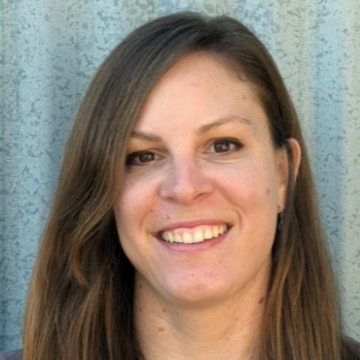
Principal investigator
Annika Wylie, PhD
Assistant Professor · CPRIT Scholar
Annika Wylie is Assistant Professor of Biological Sciences at Southern Methodist University and SMU's first CPRIT Scholar. Her work revealed conserved roles for p53 in restraining retrotransposons and demonstrated that distinct p53 isoforms can drive opposing transcriptional outcomes. Her laboratory uses evolutionary and developmental biology to identify previously unappreciated mechanisms of tumor suppression.
Meet the lab →Join the lab